
How to Track UTM Parameters in Insightly CRM
UTM Tracking in Insightly CRM Made Simple. 4 easy steps to capture UTM parameters in Insightly CRM and see which marketing channels drive leads, opportunities, and customers.
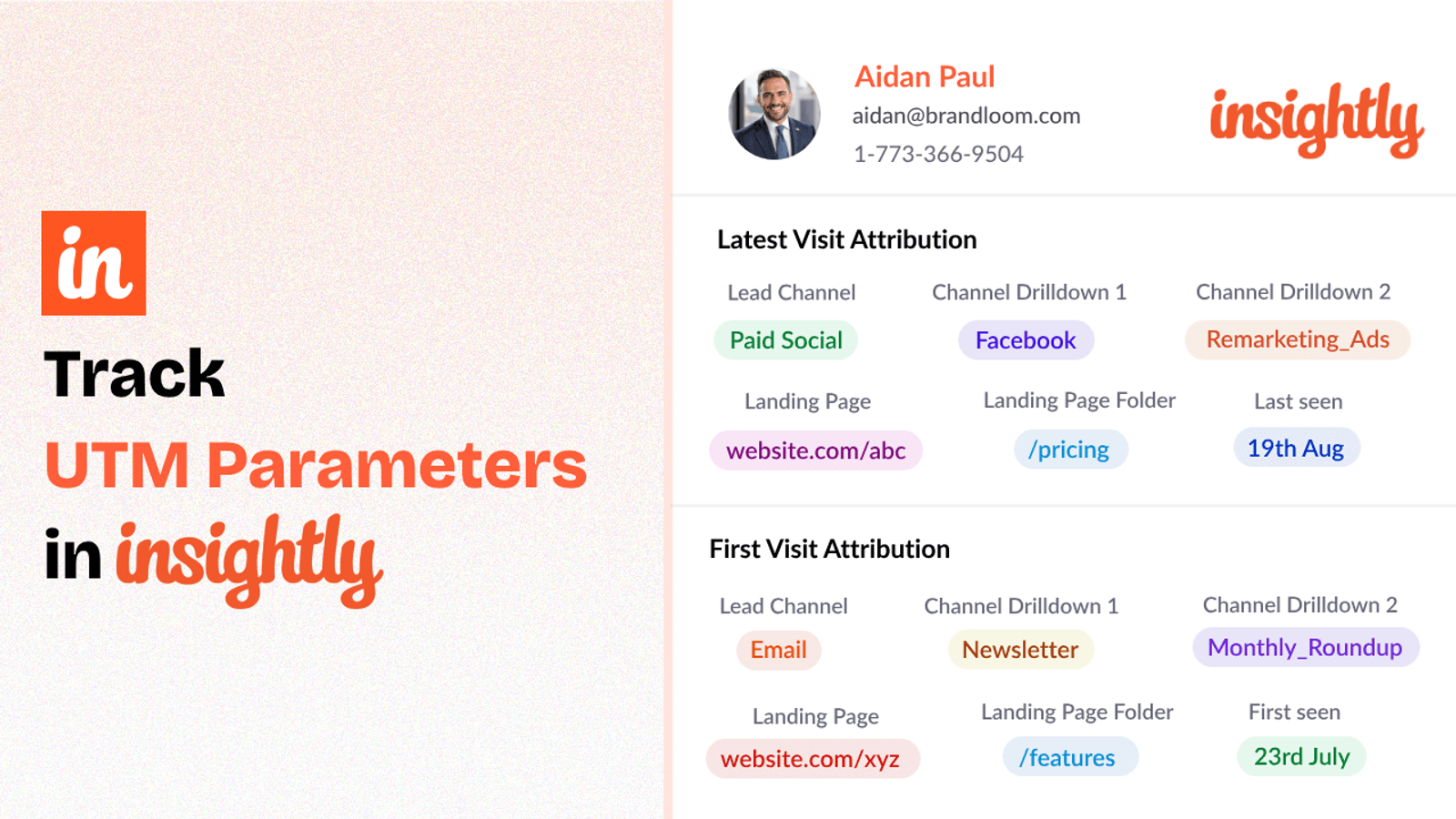
Table of contents
Tracking UTM parameters is key to knowing where your leads are coming from.
But your CRM software can’t capture source of all inbound contacts on its own.
That’s where SourceLoop.ai helps. It captures UTM parameters and syncs them directly to Insightly CRM.
In this post, we’ll show you how to track UTM parameters in Insightly and make the most of your marketing data.
Let’s dive in!
4 Easy Steps to Track UTM Parameters in Insightly CRM
Here are 4 simple steps to capture UTM parameters in Insightly CRM:
1. Add SourceLoop.ai on Your Website
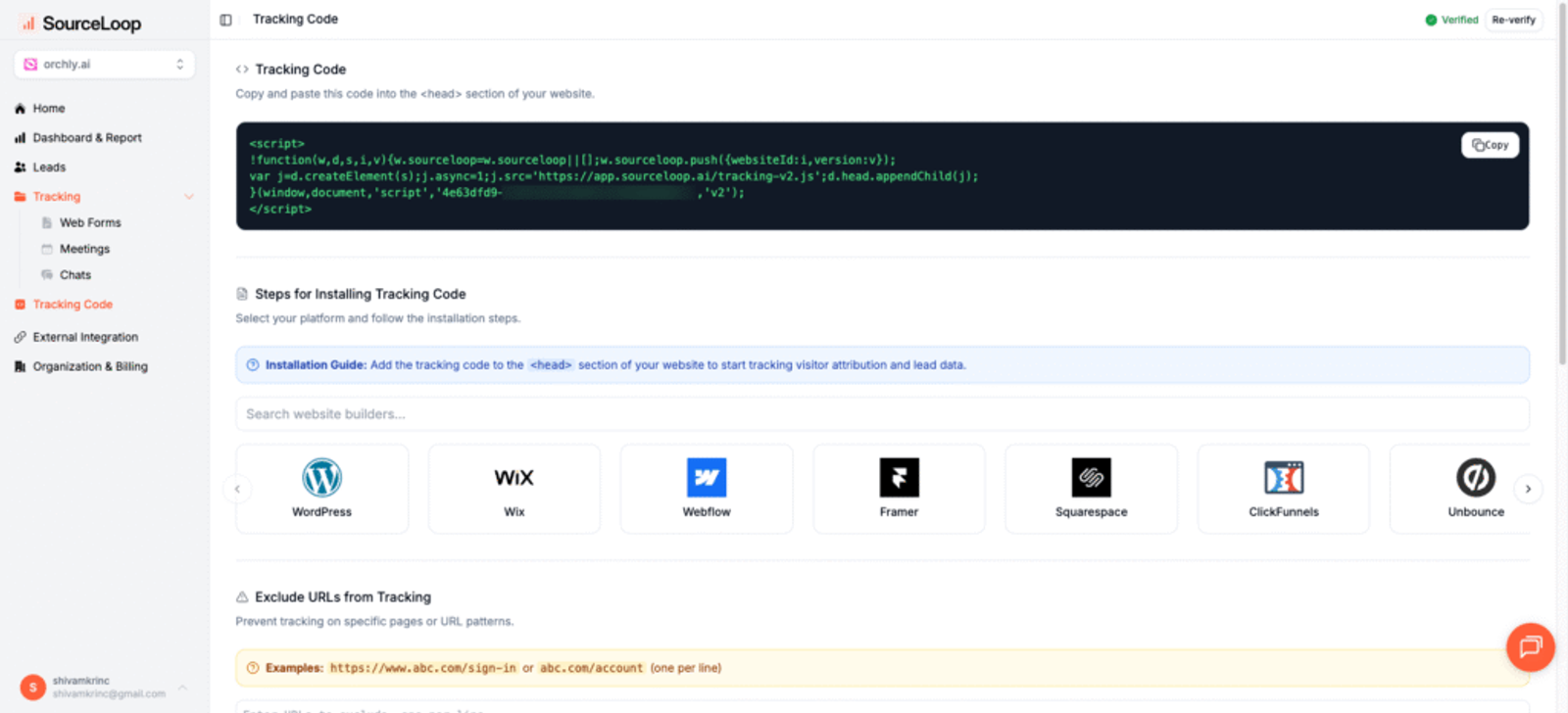
Start by creating your free account at SourceLoop.ai.
Then you’ll get a unique tracking code that you need to paste into your website’s header.
Once added, SourceLoop.ai will start monitoring the UTM parameters embedded in your website visitors’ URLs (such as utm_source, utm_medium, utm_campaign, etc.).
Then,iInstead of just storing raw UTM strings, it organizes the data into easy-to-understand marketing attributes — giving you a clear breakdown of where each lead came from, which campaign they clicked on, and more.
Example of how SourceLoop organizes UTM data:
Imagine Nike is running a Google Ads campaign to promote their new running shoes.
When a user clicks on the ad and visits the Nike website, SourceLoop organizes and stores the data like this:
- Channel: Paid Search
- Channel Drilldown 1: Google Ads
- Channel Drilldown 2: Running Shoes Launch
- Channel Drilldown 3: Text Ad
- Landing Page: www.nike.com/running-shoes
- Landing Page Folder: running-shoes
- Last Seen: April 27, 2025
This data is stored in the user’s browser cookies, allowing SourceLoop.ai to keep track of it even if the user browses multiple pages before filling out a lead form or booking meetings.
2. Add UTM Parameters to Your Links
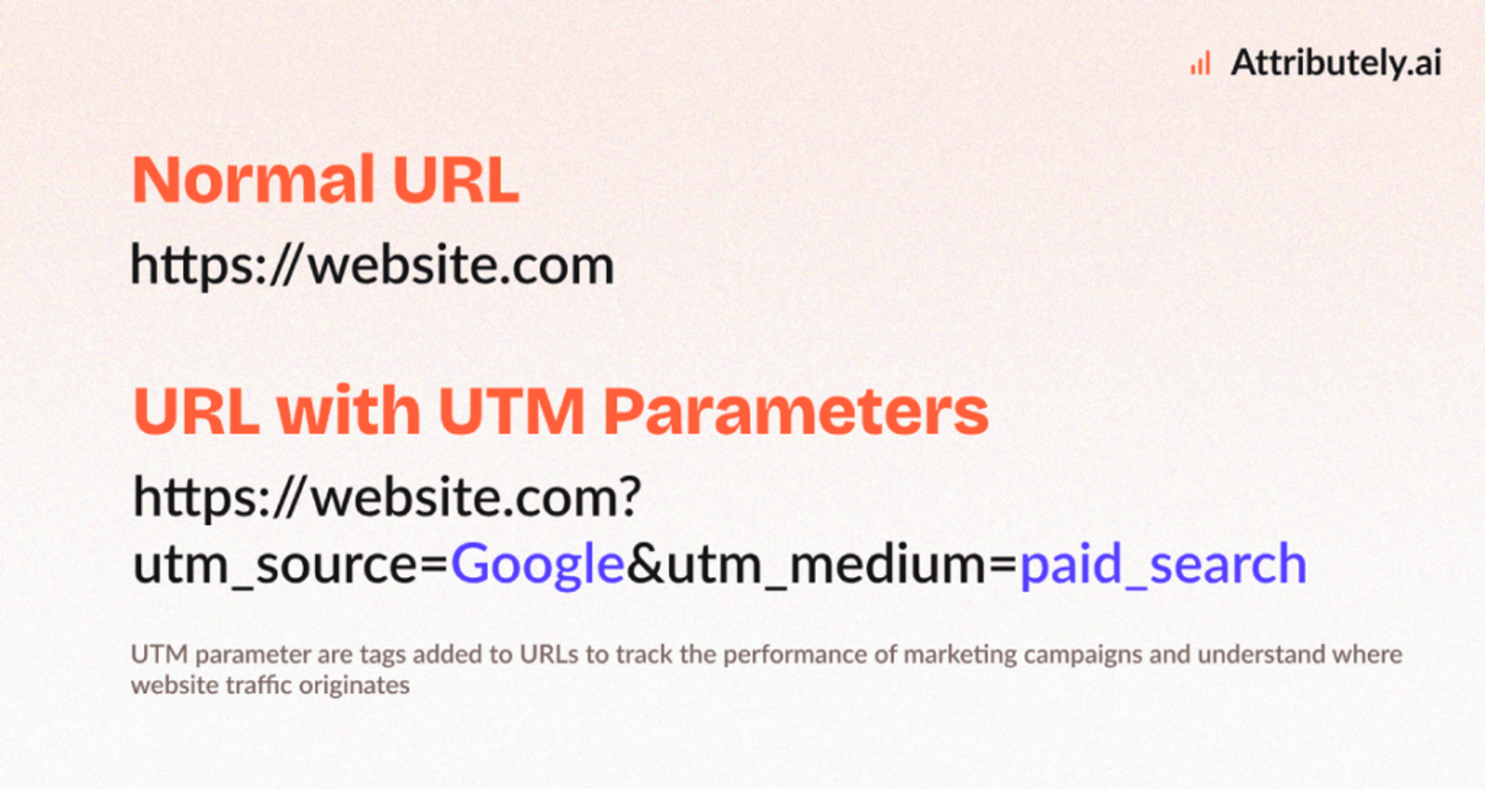
Next, make sure all your marketing campaign links are tagged with UTM parameters.
These parameters help SourceLoop identify the marketing channels and campaigns that bring visitors to your website.
For example, if you’re running a social media campaign, a link to your landing page might look like this:
https://yourwebsite.com/signup?utm_source=tiktok&utm_medium=paid&utm_campaign=brand_campaign
Keep in mind, UTM parameters aren’t just for performance marketing campaigns.
You can add them to any link you share online, so every website visitor arrives on your site with maximum context.
Resources:
- Setting up UTM tracking in Google Ads
- How to Use URL Parameters for Facebook Ads Tracking
- Implementing UTM Parameter Templates on LinkedIn Ads
- Implementing UTM Parameter Templates on TikTok Ads
3. Add Hidden Fields to Your Lead Form
Next, you need to add a few hidden fields to your Contact Us, Demo Request, Quote Request, or similar forms to capture the UTM values of your users.
All form builders like Jotform, WPForms, Forminator, Wix Forms, Tally, and others make it easy to add hidden fields with simple drag-and-drop options.
Here’s a list of the standard hidden fields to include in your form:
- channel
- channeldrilldown1
- channeldrilldown2
- channeldrilldown3
- landingpage
- landingpagefolder
- lastseen
Optional: Capture First-Touch Attribution Too
If you want to track the original source of the user (i.e., the first time they interacted with your campaign), SourceLoop.ai supports the following fields for this:
Here are 7 other.hidden fields you can add to receive the attribution data of a user’s first visit to your site.
- first_channel
- first_channeldrilldown1
- first_channeldrilldown2
- first_channeldrilldown3
- first_landingpage
- first_landingpagefolder
- firstseen
These fields are extremely useful if you want to know if a lead originally came from a paid ad, but later visited organically or through email.
By storing both the initial and most recent UTM data, you get a comprehensive view of how your leads interact with your campaigns over time.
4. Sync UTM Data with Insightly CRM in Real-Time
Now, whenever a user fills out a form or books a meeting, their UTM data will be captured by SourceLoop, and you can sync it with your Insightly CRM when creating the contact.
What Can You Do with UTM Data in Your CRM?
1. Understand the True ROI of Marketing Campaigns
With UTM data flowing into your CRM for each inbound contact, you can clearly see the direct impact of your campaigns
For example;
Imagine telling your manager that your Google Search campaign brought in 2,345 clicks, 310 marketing qualified leads, 120 demo bookings, and 85 paying customers — generating $18,750 in revenue.
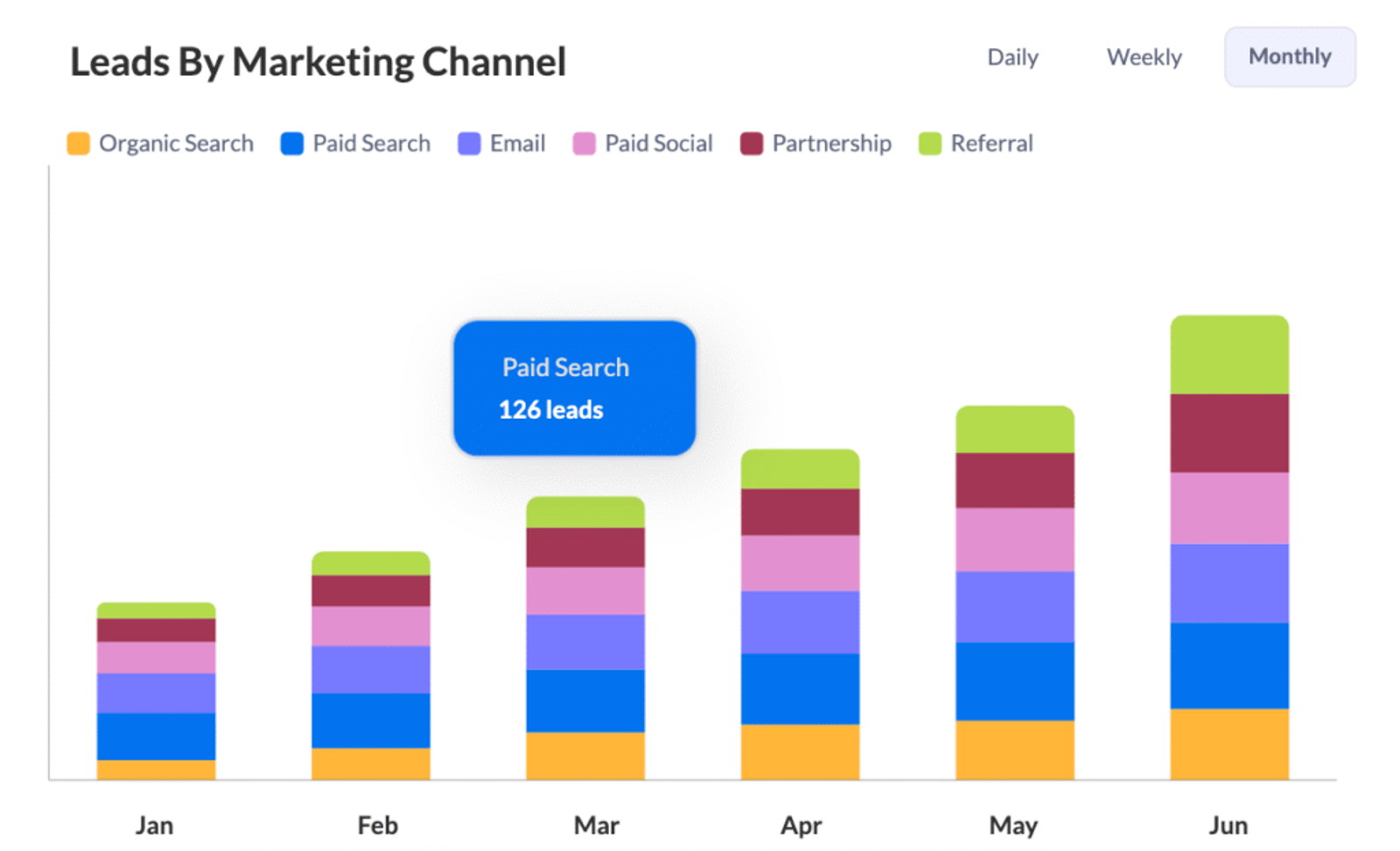
And this isn’t limited to paid marketing campaigns — you’ll also get attribution data from other channels like SEO, social media, referrals, email, and more.
This level of transparency allows you to calculate and understand the true return of your marketing efforts, helping you assess the effectiveness of each campaign.
2. Help Your Sales Team with Personalized Lead Engagement
Having UTM information for each lead inside your CRM gives your sales team critical insights for personalized engagement.
For example;
If a lead comes from an ebook download, it’s a sign they’re interested in deeper education — so your sales team could follow up by offering a webinar invite or a detailed guide.
On the other hand, if a lead comes from a retargeting ad, your sales team might focus on urgency, like limited-time offers or fast-track demos, since the lead is already familiar with your brand.
3. Allocate Marketing Budget More Effectively
When you have UTM data, it’s much easier to see which channels and campaigns are driving your pipeline and actual customers.
For example, if you find that your LinkedIn carousel campaign from the founder’s profile is generating far more leads and conversions than your search ads, you can confidently shift more of your marketing budget toward promoting posts from the founder’s profile.
This insight ensures you’re spending your marketing dollars wisely and optimizing for the highest return on investment.



 Paid Social


